
Tooth Extraction in Wakad
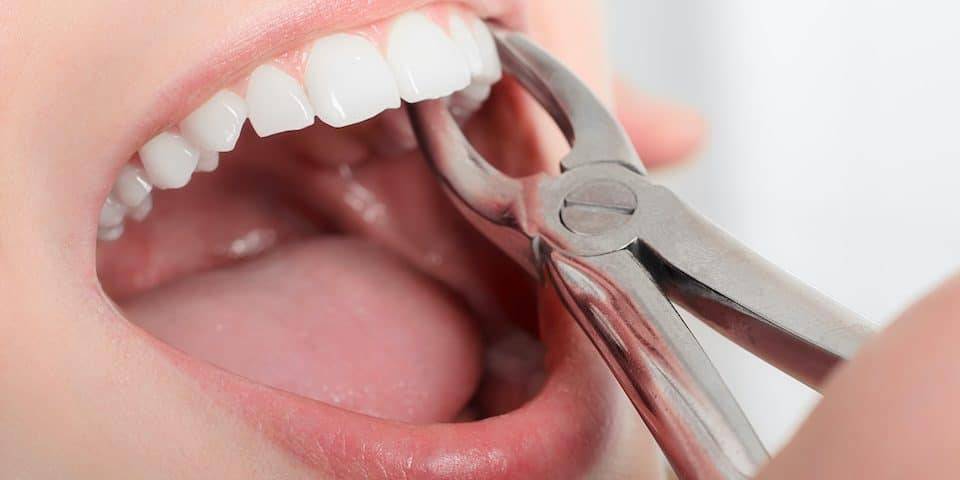
Is a tooth giving you a lot of pain, or is it too damaged to save? Sometimes the best option is tooth extraction, which means removing the tooth from the jaw. Many people feel scared about it, but with modern methods it is safe, quick, and comfortable. At Kiddie Dental Home, Dr. Ketaki Gudadhe-Shinde offers gentle teeth extraction in Wakad for both children and adults.
Meet Dr. Ketaki Gudadhe-Shinde
Dr. Ketaki Gudadhe-Shinde completed her BDS from VYWS Dental College and Hospital, Amravati, and her MDS in Pediatric & Preventive Dentistry from VSPM Dental College and Research Centre, Nagpur. She is also a member of the Indian Society of Pedodontics and Preventive Dentistry (ISPPD). With over 7 years of experience and 400+ tooth extractions done, she is a trusted pediatric dentist in Wakad and a caring dentist in Wakad for the whole family.
What is Tooth Extraction?
Many patients ask, “what is extraction in dentistry?” or “what is extraction of teeth?” In simple words, extraction is a dental procedure where a tooth is taken out of its place in the jaw bone. It is also called removal of tooth, tooth removal, or dental teeth removal.
Your dentist always tries to save your natural tooth first, with a filling, root canal, or crown. Extraction is done only when the tooth cannot be saved.
When Does a Tooth Need to be Removed?
You may need to remove a tooth if:
- The tooth is very badly decayed (decayed teeth removal) and cannot be repaired
- The tooth is broken or cracked below the gum line
- There is a serious infection or abscess
- Gum disease has made the tooth loose
- Teeth are too crowded and need space before braces
- A wisdom tooth or molar is stuck, painful, or growing in the wrong direction
- In children, a baby tooth is infected, stuck, or not falling on time
Advantages of Tooth Extraction
Saving the natural tooth is always the first choice. But when a tooth is badly damaged or infected and cannot be saved, tooth extraction has real benefits:
- Relief from pain: Removing a tooth that is badly infected or decayed ends the toothache, often the same day.
- Stops infection from spreading: A bad infection or abscess can spread to the gums, jaw, and nearby teeth. Removing the tooth clears the source.
- Protects nearby teeth: A broken or decayed tooth can harm the healthy teeth next to it. Extraction keeps them safe.
- Makes space for braces: If teeth are too crowded, removing one or two teeth gives space so the others can be aligned properly.
- Solves wisdom tooth problems: A stuck or painful wisdom tooth can cause repeated pain, swelling, and food trapping. Removing it stops these problems.
- Helps children with stuck or infected baby teeth: Removing such a tooth protects the permanent tooth that is coming below it.
- Quick and simple: Most extractions are done in a single visit under local anaesthesia, and most people recover in a few days.
- Better oral hygiene: Without a broken or painful tooth, it becomes easier to brush, floss, and keep the mouth clean.
Important: Extraction is done only when the tooth cannot be saved with a filling, root canal, or crown. After extraction, it is best to replace the tooth so that nearby teeth do not shift.
Types of Extraction
1. Simple Extraction
This is done when the tooth is fully visible in the mouth. After numbing the area, the dentist gently loosens the tooth and takes it out. The teeth extraction time for a simple case is usually just a few minutes.
2. Surgical Extraction
This is needed when the tooth is broken, deep inside the gum, or stuck in the bone. It is common for wisdom teeth and hard-to-reach back teeth. In a surgical extraction of teeth, the dentist makes a small opening in the gum, and may remove the tooth in parts. The area is fully numb, so you should not feel pain.
Molar Extraction and Wisdom Tooth Removal
Molars are the big teeth at the back of the mouth. They have strong roots, so molar extraction or molar teeth removal may need a little more time. If the molar is broken or stuck in the bone, we do a surgical molar extraction. Dr. Ketaki will check your X-ray first and tell you clearly what to expect.
Tooth Extraction Procedure: Step by Step
The extraction procedure at our clinic is simple and comfortable:
- Check-up and X-ray: We check the tooth, gums, and jaw, and take an X-ray if needed.
- Explanation: Dr. Ketaki explains the treatment and cost before starting.
- Numbing: Local anaesthesia is given so the area becomes fully numb.
- Removal: The tooth is gently loosened and taken out. You may feel pressure, but no pain.
- Stopping the bleeding: A gauze is placed on the area and you bite on it.
- Instructions: We tell you how to take care at home and give medicines if needed.
Tooth Extraction Instruments We Use
Safety matters a lot to us. The tooth extraction instruments used at our clinic, such as dental forceps and elevators, are cleaned and sterilised properly before every patient. Different forceps are used for different teeth, so the tooth can be removed gently and with less pressure on your jaw. For children, we use small, child-size instruments.
Is Teeth Removal Painful?
This is the most common question: “is teeth removal painful?” or “does dental extraction hurt?”
The teeth extraction anesthesia we use is local anaesthesia. It numbs only the tooth and the area around it, and you stay awake and comfortable. During the procedure, you will not feel pain. You may only feel some pressure or pulling. After the numbness goes away, there can be mild to moderate pain for a day or two. This is normal and is controlled with the medicines Dr. Ketaki advises. Even a molar extraction is done with local anaesthesia, so it should not hurt during the treatment.
After Teeth Removal Care (Aftercare Instructions)
Good teeth removal aftercare helps you heal faster and avoids problems. Here is what to do after removing a tooth:
In the first 24 hours:
- Bite gently on the gauze for 30 to 45 minutes to stop bleeding
- Do not spit, rinse hard, or touch the area with your tongue or finger
- Do not use a straw, and do not smoke or chew tobacco or paan
- Eat soft, cool food like curd, khichdi, dal-rice, and smoothies
- Avoid hot tea, hot soup, and spicy food
- Use a cold pack on the outside of the cheek for swelling (10 minutes on, 10 minutes off)
- Take medicines only as advised by your dentist
From the second day:
- Rinse your mouth gently with lukewarm salt water 2 to 3 times a day
- Brush your other teeth as usual, but be careful near the healing area
- Slowly go back to normal food as you feel comfortable
Call the clinic if you have:
- Bleeding that does not stop after 1 hour of pressure
- Fever or a bad taste or smell in the mouth
- Severe pain that gets worse after 2 to 3 days
- Swelling that keeps increasing
Teeth Removal Recovery Time
Teeth removal recovery time is different for each person:
- Simple extraction: Most people feel better in 3 to 7 days
- Surgical extraction or molar extraction recovery: Usually 1 to 2 weeks
- Full healing of the gum and bone: Takes a few weeks
Following the aftercare instructions carefully makes recovery faster and smoother.
Side Effects and Complications of Tooth Extraction
Most people heal well, but you should know about the possible side effects of removing teeth:
Common and normal:
- Mild bleeding or oozing for the first day
- Swelling of the cheek for 2 to 3 days
- Pain or soreness at the place where the tooth was pulled
- Slight stiffness in the jaw
Less common (complications of dental extractions):
- Dry socket: When the blood clot in the empty space is lost early, causing strong pain after 2 to 4 days. It is treated easily by your dentist.
- Infection: Shows as fever, pus, or bad smell
- Numbness: Rare, mostly after lower wisdom tooth removal, and usually temporary
- Damage to nearby teeth or a sinus issue: Very rare, mostly with upper back teeth
Choosing an experienced dentist and following aftercare reduces these risks.
Tooth Extraction Cost in Wakad
Many people search for tooth extraction cost or tooth extraction price near me before visiting a dentist. The cost depends on the type of tooth and how difficult the removal is:
What After Extraction? Replacing the Tooth
If a tooth is removed, it is important to fill the gap. Otherwise, nearby teeth can move and make chewing difficult. Ask Dr. Ketaki about the best option for you:
- Dental implants for a strong, long-lasting replacement
- Dental bridges or dentures for missing teeth
- For children, a space maintainer to keep space for the permanent tooth
Why Choose Kiddie Dental Home for Teeth Extraction in Wakad?
- Qualified doctor: Dr. Ketaki Gudadhe-Shinde, BDS, MDS, member of ISPPD
- Gentle and comfortable treatment for nervous adults and small children
- Child-friendly clinic: We are a well-known pediatric dental clinic in Wakad
- Clean and safe: Properly sterilised instruments for every patient
- Clear pricing explained before treatment, with no hidden charges
Book Your Appointment
Tooth pain should not be ignored. Call us at 7559410583 or book an appointment online.
FAQ'S
No, you will not feel any pain during the procedure as the area will be numbed with local anesthesia. After the procedure, Dr. Ketaki Gudadhe-Shinde will provide guidelines for managing any post-extraction discomfort.
Dr. Ketaki Gudadhe-Shinde will provide detailed post-extraction care instructions, including guidelines for pain management, oral hygiene, and dietary restrictions. It is crucial to follow these instructions to promote proper healing.
Dr. Ketaki Gudadhe-Shinde will thoroughly evaluate your dental condition to determine if alternatives, such as root canal therapy or dental restorations, can effectively preserve the tooth.
Kiddie Dental Home specializes in pediatric dentistry, catering to the dental needs of children. However, they also provide dental services for adults.
Local anaesthesia is used. It numbs only the area around the tooth, and you stay awake and comfortable during the treatment.
A simple extraction usually takes a few minutes. A surgical extraction or wisdom tooth removal may take 30 to 60 minutes, depending on the tooth.
You will not feel pain during the treatment as local anaesthesia is used. Some soreness for a few days afterwards is normal.
It can. Nearby teeth may slowly move into the gap. Replacing the tooth with an implant, bridge, or denture is advised.